

Articles
FEATURED SERIES
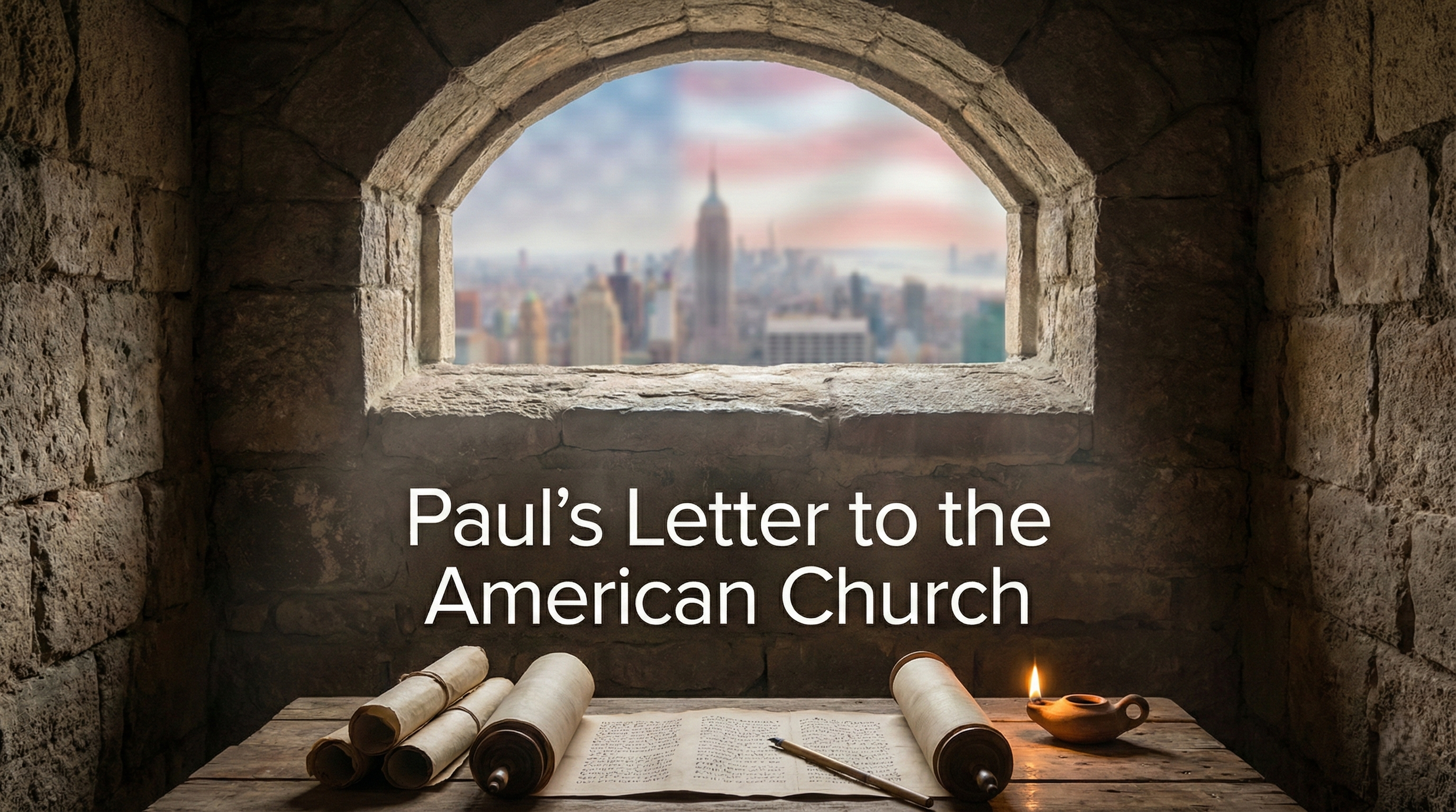
A grace-filled reflection written in Paul’s voice, addressing the modern church through the finished work of Christ.

For the ones who keep going—even when they’re tired.

Unmixing the gospel from effort, fear, and religious noise.
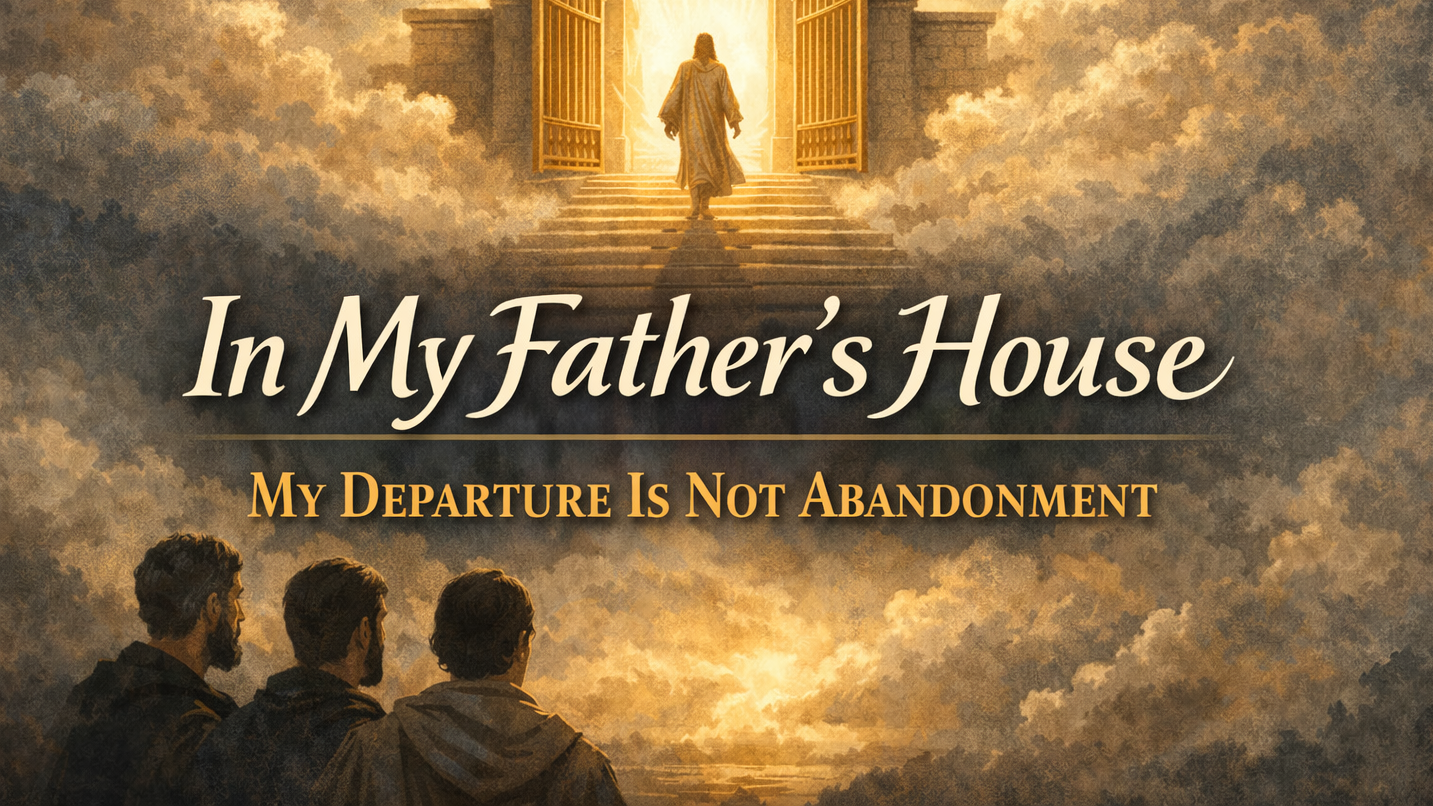
In My Father's House
The disciples were afraid because Jesus was leaving. And His answer — “I go to prepare a place for you” — is one of the most misread promises in Scripture. The preparation He’s describing isn’t heavenly construction work. A few verses later He explains exactly what it is: “I am the way.” He doesn’t prepare the place by building it. He prepares it by becoming the way to it.
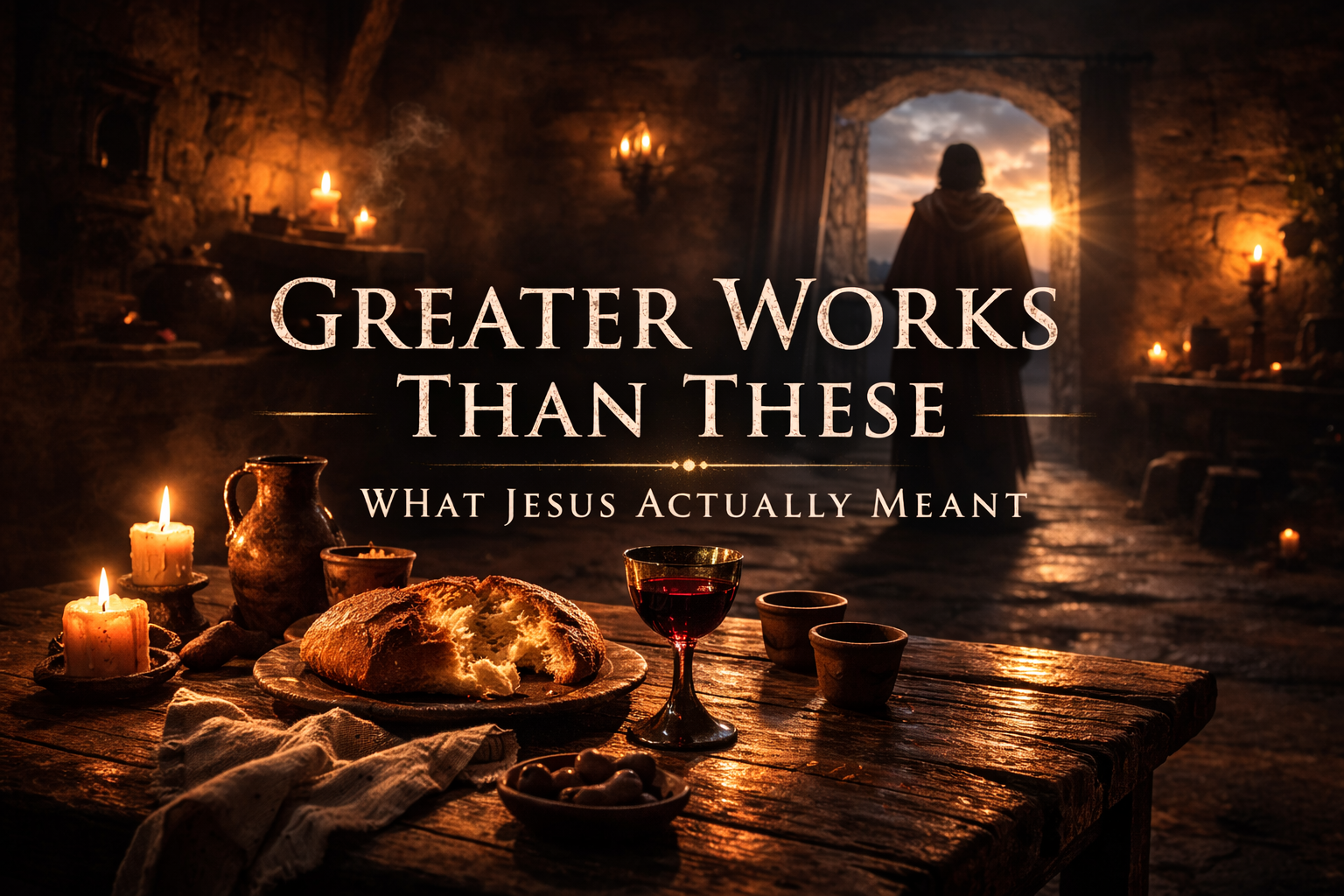
Greater Works Than These
Most people read John 14:12 as a challenge to outperform Jesus. But the “greater works” were never about your faith being big enough. They were about Him leaving, sending the Spirit, and the gospel going global. That changes everything.

The Two Hardest Things Jesus Ever Said
Jesus said two things that still unsettle readers: hate your father and mother and love your enemies. Both sound extreme. Both feel impossible. But neither was about moral shock value. They were exposing something far deeper — and pointing to a righteousness only Christ could fulfill.
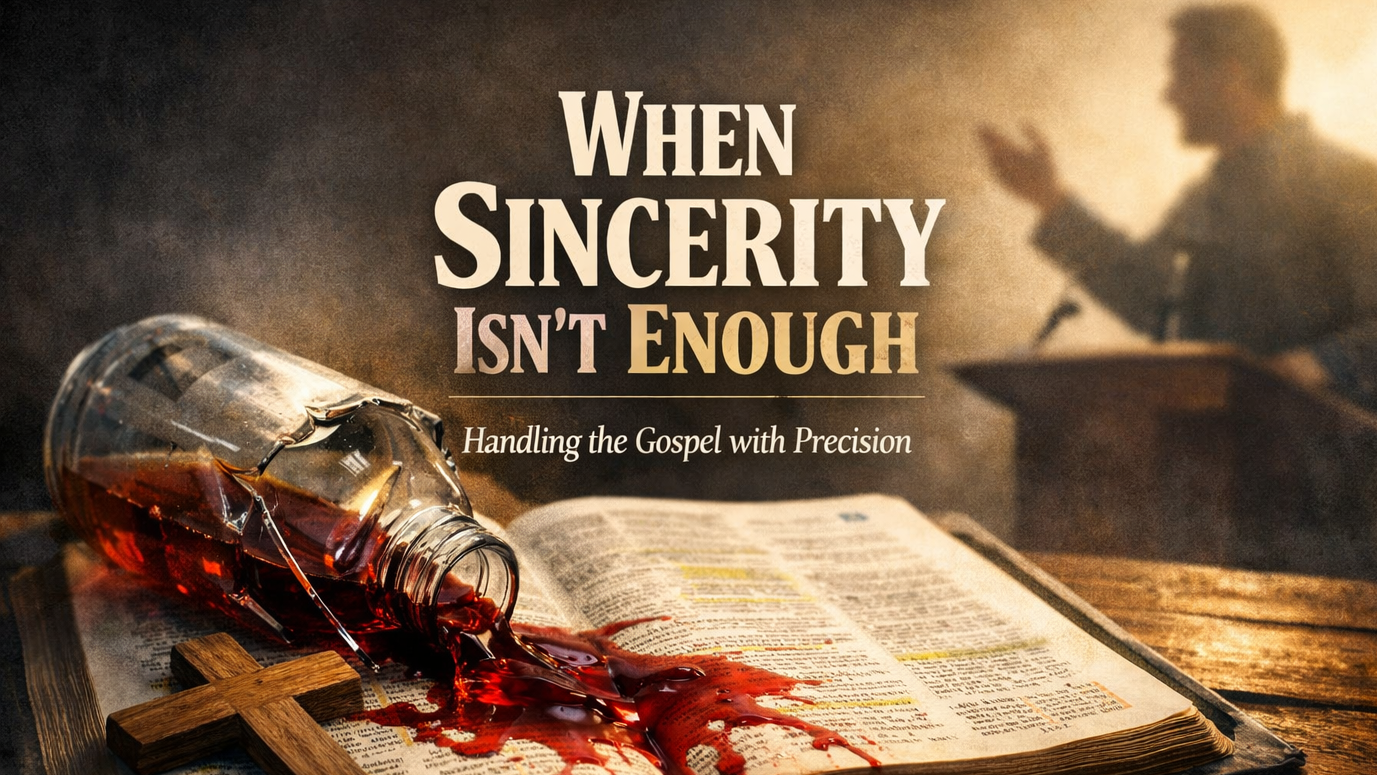
When Sincerity Isn’t Enough
You can be a sincere doctor and still harm a patient if you mishandle the medicine. The same is true in preaching. Grace must be handled with precision, because the human conscience is fragile and assurance must rest fully on Christ’s finished work.

Rest in Grace
Tired of trying to measure up spiritually? Rest in Grace explains what the finished work of Christ actually means and why your standing with God does not depend on your performance. Discover the freedom of living from righteousness already given.
Without Faith It Is Impossible to Please God
Hebrews 11:6 is often used to pressure believers into trying harder to believe. But the verse is not about intensity of faith. It is about location. Outside of faith in Christ, pleasing God was never possible. This verse draws a boundary, not a benchmark.
The Promises of God: What Scripture Actually Means
When Scripture speaks of “the promises of God,” it is not talking about money, healing, or improved circumstances. It is announcing something far deeper and already fulfilled - Christ Himself. When the promise is rightly understood, faith stops chasing outcomes and begins resting in what has already been given.
Does God Promise Prosperity?
Many believers are quietly tired when it comes to money. Tired of wondering why giving did not work. Tired of measuring faith by income. Does the Cross guarantee financial prosperity, or has something deeper already been secured? This article explores what Scripture promises about provision — and what it never guarantees.
Does God Still Heal?
Does God still heal? Scripture says yes, but not in the way many of us were taught. This article separates what the Bible actually promises about healing from the quiet burdens believers have been asked to carry.
Is Grace Power - Or Proof?
Many believers say they believe in grace, yet quietly wonder if they are doing enough to stay secure with God.
Is grace the power to obey - or the proof that righteousness has already been given?
This article explores the subtle shift that turns grace into performance and reveals the New Covenant foundation that produces lasting confidence.

Loved First
Valentine’s Day celebrates chosen love. Scripture reveals something even deeper: you were loved first. Before any note was written or any flower was given, God moved toward you. Every act of love we give is an echo of a love already secured.
When Pressure Grows a Church - And Why That Isn’t Always Health
Pressure grows churches fast. Fear motivates. Certainty comforts. Control organizes. But what if those are not the same thing as health? What happens when a church removes guilt, fear, and performance pressure - and chooses grace instead?
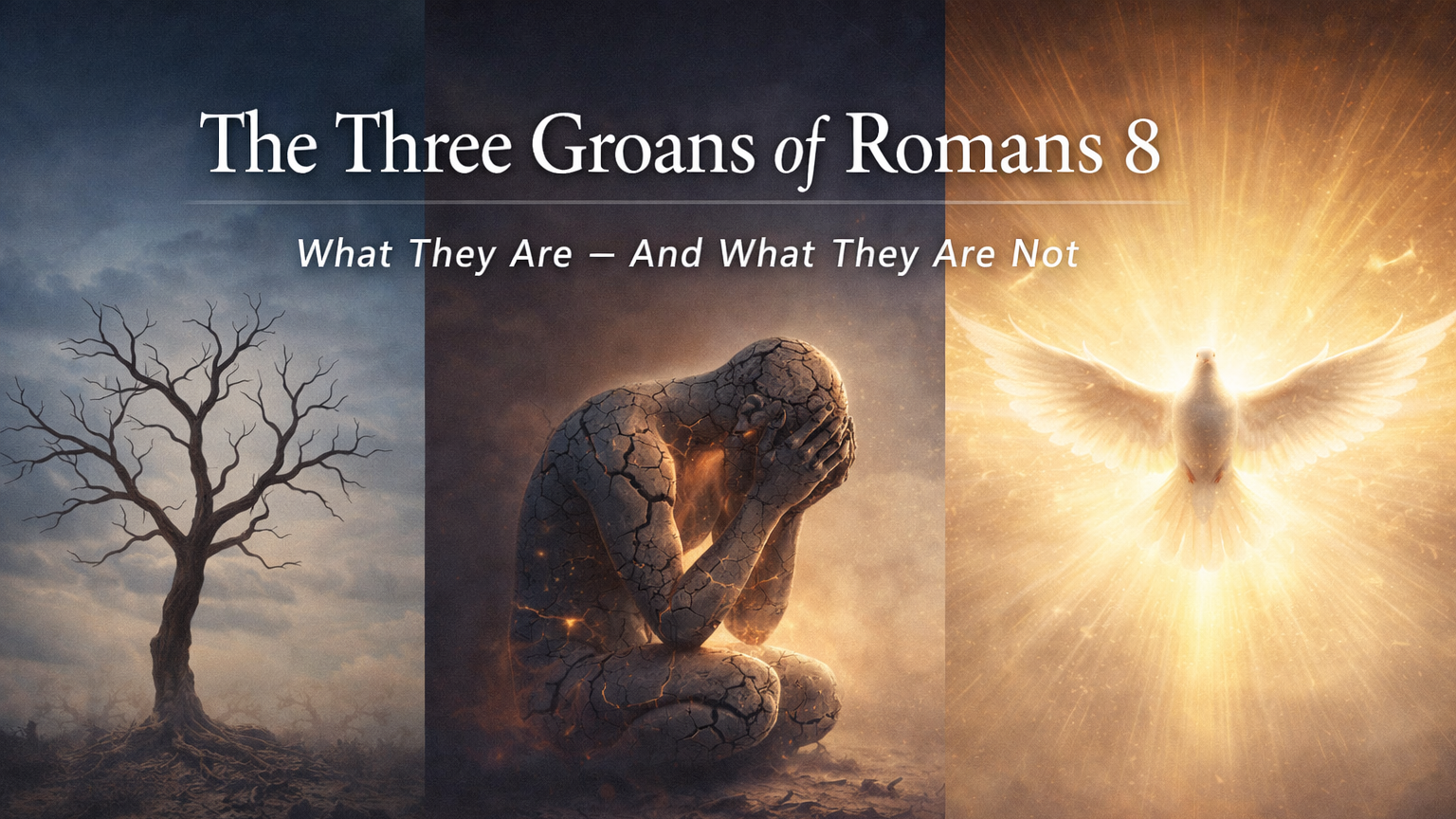
The Three Groans
Romans 8 names what many believers feel but struggle to explain. Redemption is finished, yet life is not. Paul describes three groans that clarify the tension - two born of waiting, and one born of certainty.
Final Judgment: The Great White Throne and the End of Death
The Judgment Seat of Christ is often imagined as a future evaluation of performance. Scripture presents something very different. This article explains why the bēma seat is about revelation, not re-judgment - and why nothing Christ built in you is at risk.
The Bēma of Christ: What Is Revealed, Not What Is Decided
Final judgment is often imagined as a last evaluation of believers. Scripture describes something else entirely. This article shows why final judgment targets death itself - and why fear has no place in resurrection life.
Judgment After the Cross: Why Believers Are No Longer on Trial
Judgment often feels like a future moment where something is still undecided. The New Testament tells a different story. This article clarifies what judgment means after the cross - and why condemnation is finished for those in Christ.

The Innovator’s Dilemma in the Church
Why do large churches struggle to teach grace clearly even when it is central to the gospel? The answer may not be theological resistance but systemic dependency. This article uses the Innovator’s Dilemma to explain why grace disrupts the very systems that enabled church growth at scale.
Why 1 John 1:9 Has Been So Damaging When Taught to Believers
For years, 1 John 1:9 has been taught as a daily forgiveness reset for believers. But in context, John was not managing Christian sin - he was confronting sin denial and defending the finished work of Christ.
Did Jesus Mean “Pray for Those Who Spitefully Use You” as a Command?
We quote Matthew 5 instantly and assume instruction. But when Jesus said to pray for those who despitefully use us, He was not assigning behavior. He was exposing the impossibility of self-made righteousness.
“Avoid the Appearance of Evil”: What Paul Was Really Saying
For years, “avoid the appearance of evil” has been taught as a warning about perception and optics. But when read in context, Paul’s words point to discernment and truth, not image management. A closer look at 1 Thessalonians 5:22 reveals a far more grounding and freeing meaning.
Want more grace-filled encouragement delivered to your inbox?
Weekly hope filled notes - no spam, no pressure, just Jesus.