

Articles
Does God Promise Prosperity?
Many believers are quietly tired when it comes to money. Tired of wondering why giving did not work. Tired of measuring faith by income. Does the Cross guarantee financial prosperity, or has something deeper already been secured? This article explores what Scripture promises about provision — and what it never guarantees.
Does God Still Heal?
Does God still heal? Scripture says yes, but not in the way many of us were taught. This article separates what the Bible actually promises about healing from the quiet burdens believers have been asked to carry.
Is Grace Power - Or Proof?
Many believers say they believe in grace, yet quietly wonder if they are doing enough to stay secure with God.
Is grace the power to obey - or the proof that righteousness has already been given?
This article explores the subtle shift that turns grace into performance and reveals the New Covenant foundation that produces lasting confidence.
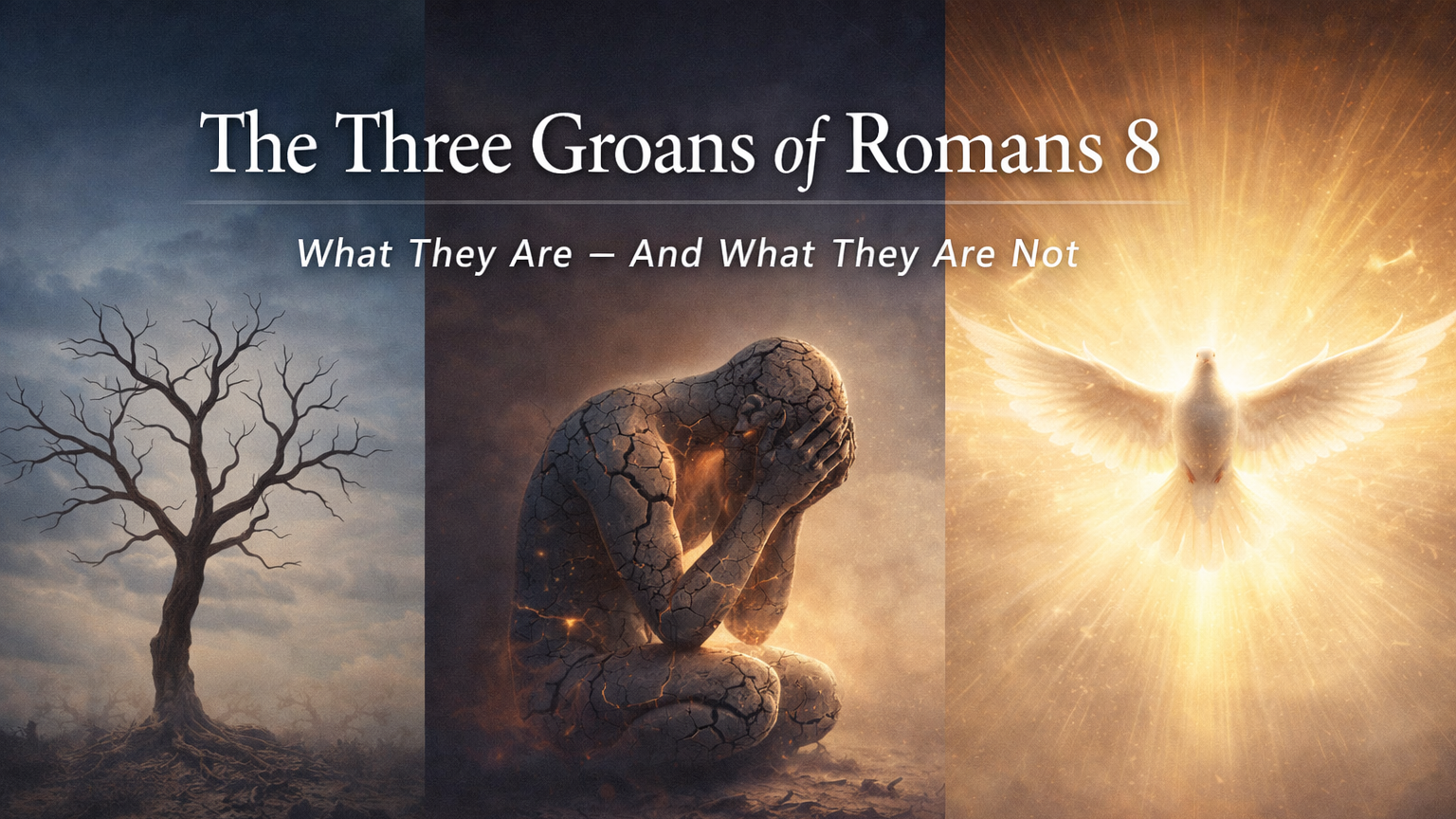
The Three Groans
Romans 8 names what many believers feel but struggle to explain. Redemption is finished, yet life is not. Paul describes three groans that clarify the tension - two born of waiting, and one born of certainty.

The Innovator’s Dilemma in the Church
Why do large churches struggle to teach grace clearly even when it is central to the gospel? The answer may not be theological resistance but systemic dependency. This article uses the Innovator’s Dilemma to explain why grace disrupts the very systems that enabled church growth at scale.
Why 1 John 1:9 Has Been So Damaging When Taught to Believers
For years, 1 John 1:9 has been taught as a daily forgiveness reset for believers. But in context, John was not managing Christian sin - he was confronting sin denial and defending the finished work of Christ.
Did Jesus Mean “Pray for Those Who Spitefully Use You” as a Command?
We quote Matthew 5 instantly and assume instruction. But when Jesus said to pray for those who despitefully use us, He was not assigning behavior. He was exposing the impossibility of self-made righteousness.
“Avoid the Appearance of Evil”: What Paul Was Really Saying
For years, “avoid the appearance of evil” has been taught as a warning about perception and optics. But when read in context, Paul’s words point to discernment and truth, not image management. A closer look at 1 Thessalonians 5:22 reveals a far more grounding and freeing meaning.
Grace Is Not Just for Heaven
Grace is often treated as something that gets us forgiven and then steps aside. But the New Covenant presents grace as the environment we live in, not a concept we move beyond. When grace is reduced to heaven only, effort is forced to carry a weight it was never meant to bear.

If Church Left You Tired
If church left you tired, guarded, or unsure what you believe anymore, you’re not alone in that. This is a gentle place to pause, breathe, and explore faith without pressure or expectation.
Binding and Loosing After the Cross
Binding and loosing appears only in Matthew and disappears after the Cross. That silence matters. Jesus was not teaching spiritual warfare but announcing what heaven has already settled.
The Verse That Never Leaves the Old Covenant
2 Chronicles 7:14 is often quoted when things go wrong, but it was never written for believers living after the Cross. Understanding covenant timing changes everything.
Worse Off Than the Beginning?
What does it mean to be “worse off at the end than the beginning”?
2 Peter 2 is often used to instill fear about losing salvation. But when read in context, Peter is not threatening believers — he is exposing false teachers who knew the truth and rejected it. This passage doesn’t unsettle grace. It protects it.

The Parable of the Talents Was Never About Your Gifts
The Parable of the Talents has often been read as a lesson on gifts, effort, or productivity. But in Matthew 25, Jesus is asking a deeper question—what happens when Christ Himself is entrusted to us? Read in context, the parable isn’t about ability, but belief.
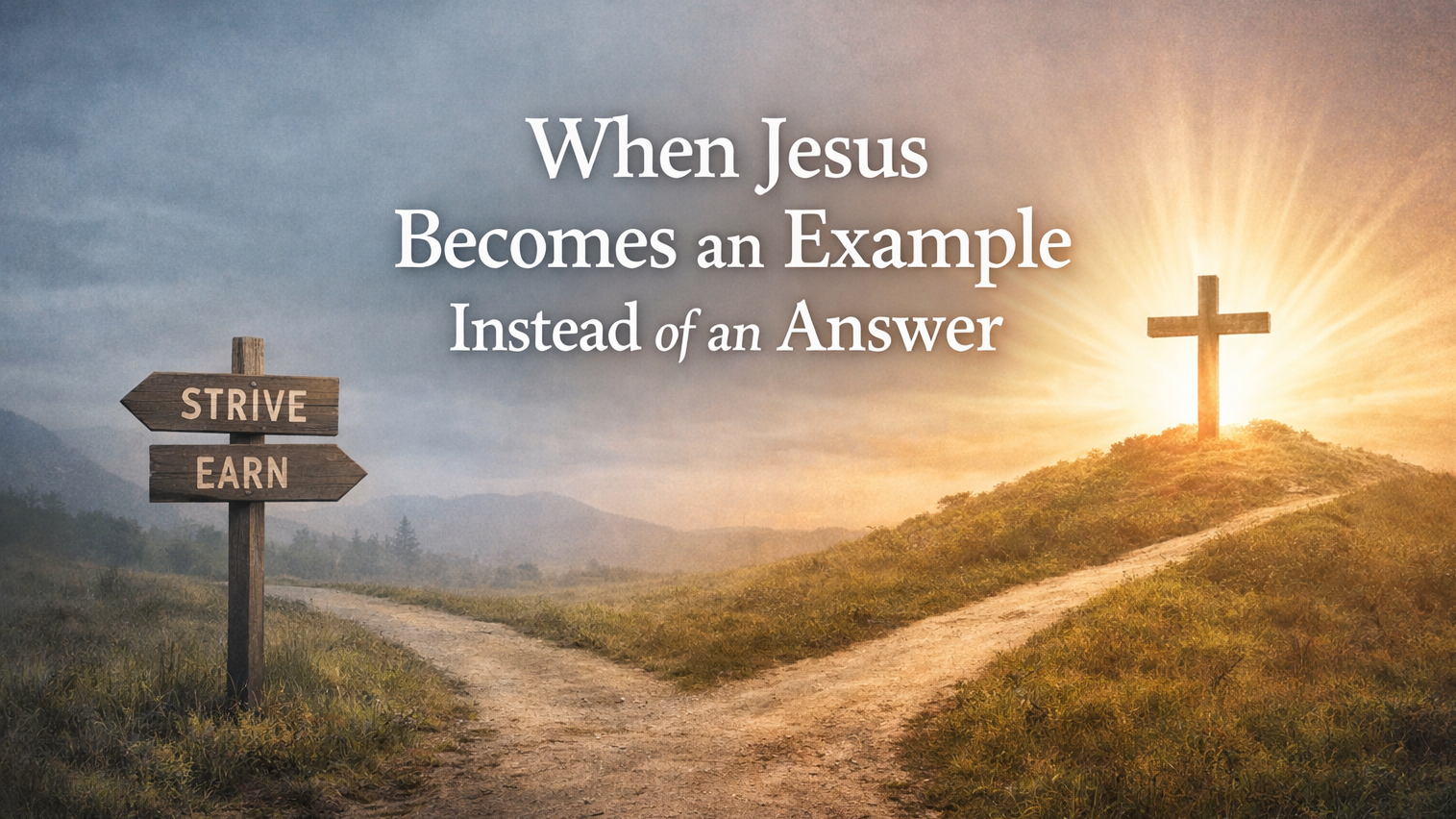
When Jesus Becomes an Example Instead of an Answer
What happens when Jesus is treated more like a model to copy than a finished work to rest in? This article exposes how spiritual language can quietly reintroduce striving after the Cross.

You Were Never Meant to Live in the Wilderness
The wilderness is often used to explain seasons of waiting, hardship, or uncertainty. But in Scripture, the wilderness was never meant to describe the settled life of believers. It belonged to a story that was unfinished. This article explores how Jesus fulfilled Israel’s wilderness experience and how the gospel reframes what it means to live, wait, and rest today.

Abraham’s Bosom Was Never About Geography
When Jesus mentioned Abraham’s bosom, He wasn’t mapping the afterlife. He was confronting unbelief, redefining inheritance, and quietly pointing to His own resurrection.

Does “Seek First” Guarantee Provision?
Matthew 6:33 is often taught as a guarantee of provision. But when we read it carefully - and through the lens of the New Covenant - a different, freer meaning begins to emerge.
Abiding in the Truth
Abiding isn’t about trying harder or staying close enough to God. In John 8, Jesus reveals abiding as remaining in truth — resting in who He says you already are. This article explores what abiding really means, and why it’s rooted in identity, not effort.
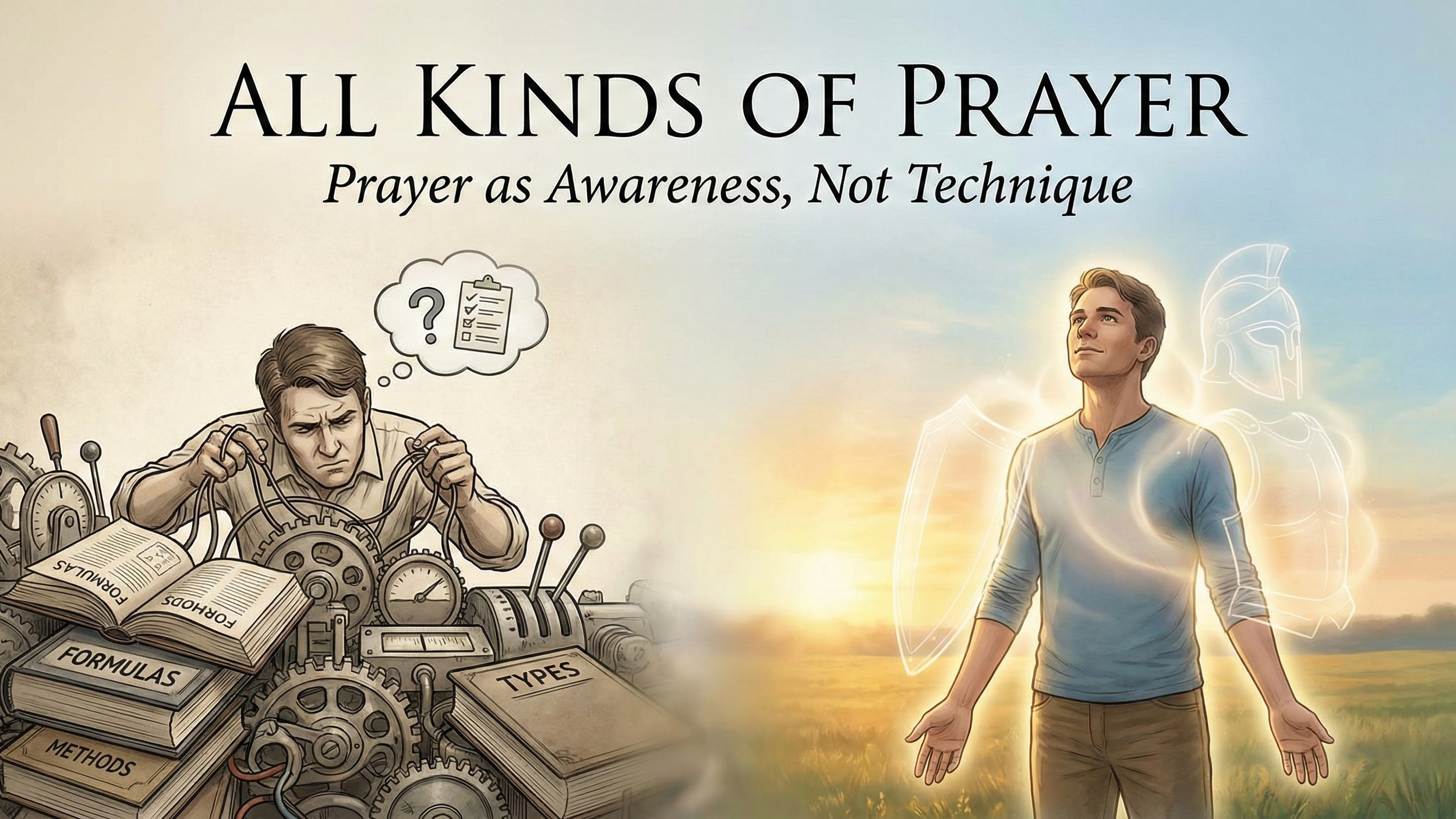
All Kinds of Prayer
Ephesians 6:18 is often used to teach that prayer only works when the right method is applied. But Paul isn’t outlining prayer techniques—he’s describing a life lived in awareness of God’s presence. Prayer is not a system to master; it’s the atmosphere of life in Christ.
Want more grace-filled encouragement delivered to your inbox?
Weekly hope filled notes - no spam, no pressure, just Jesus.