
Articles
Short, honest reads that put the cross back at the center of the verse.
Every Verse Through the Finished Work
What Did the Text Actually Say?
Each article takes a verse or idea you’ve probably heard misused, and reads it through the New Covenant. No shame. No striving. Just what the text actually says when the cross stays at the center.
Loading the latest…
“Ask God for Wisdom”
James’ invitation to ask God for wisdom is not a warning against questions or uncertainty. It is a challenge to divided trust. James 1:5–8 reveals that instability comes not from doubt, but from relying on more than one foundation.
“Count It All Joy”
“Count it all joy” is one of the most quoted — and misunderstood — lines in Scripture. James is not calling believers to deny pain or celebrate suffering, but to recognize what pressure reveals about trust. This opening article reframes James 1:2–4 as clarity, not command.
How to Hear James Before We Read James
James is one of the most quoted books in the New Testament — and one of the most misunderstood. Before reading James, we need to understand what the letter is actually doing, what it is not doing, and how to hear its famous verses without turning them into pressure.
God Calls Those Things That Be Not
Many have been taught that Romans 4:17 gives believers the power to speak reality into existence. But in context, Paul isn’t describing what faith can produce — he’s revealing the God who declares the ungodly righteous before the evidence appears.
The Verse That Scares Everyone
You knew it was wrong. You did it anyway. And now Hebrews 10:26 feels like a verdict. But the "willful sin" this verse warns against isn't what most people think — and the context changes everything.
Abide in Me
Most teaching on John 15 turns "abide in Me" into spiritual homework — pray more, read more, try harder. But Jesus wasn't giving an assignment. He was describing a location. Branches don't strain to stay connected to the vine. They rest there. And fruit grows because of where they are, not how hard they try.
Declaring the Verdict
John 20:23 has been used to place forgiveness in human hands. But the scene where Jesus spoke these words — and the way the apostles actually carried them out — tells a very different story. The cross holds the verdict, and the church was sent to announce it.
Ask Anything in My Name
Most people have ended a prayer with “in Jesus’ name” without stopping to ask what it actually means. This article unpacks John 14:13-14 and why “in My name” is not a formula — it’s a posture.
In My Father's House
The disciples were afraid because Jesus was leaving. And His answer — “I go to prepare a place for you” — is one of the most misread promises in Scripture. The preparation He’s describing isn’t heavenly construction work. A few verses later He explains exactly what it is: “I am the way.” He doesn’t prepare the place by building it. He prepares it by becoming the way to it.
Greater Works Than These
Most people read John 14:12 as a challenge to outperform Jesus. But the “greater works” were never about your faith being big enough. They were about Him leaving, sending the Spirit, and the gospel going global. That changes everything.

The Two Hardest Things Jesus Ever Said
Jesus said two things that still unsettle readers: hate your father and mother and love your enemies. Both sound extreme. Both feel impossible. But neither was about moral shock value. They were exposing something far deeper — and pointing to a righteousness only Christ could fulfill.
My Redeemer Lives (Part 4)
In the middle of his suffering, Job declares, “I know that my Redeemer lives.” Part 4 of Rethinking Job explores how that statement reaches beyond the storm and how Job’s longing for a mediator points forward to something greater.
The Lord Gave and Took Away? (Part 3)
“The Lord gave and the Lord has taken away” may be the most quoted line in Job. But was Job explaining tragedy, or worshiping in shock? Part 3 of Rethinking Job explores what that famous sentence actually means and why it should not be turned into a formula for suffering.
When Theology Hurts (Part 2)
Job’s friends sounded reasonable. Logical. Even biblical. But at the end of the story, God says they misrepresented Him. Part 2 of Rethinking Job explores how performance theology can wound the conscience, and why God rebukes certainty more strongly than lament.
The Verdict Before the Storm (Part 1)
The Book of Job is not primarily about suffering. It is about whether righteousness can survive when life collapses. Before the storm ever hits, heaven declares Job blameless. That detail changes everything.
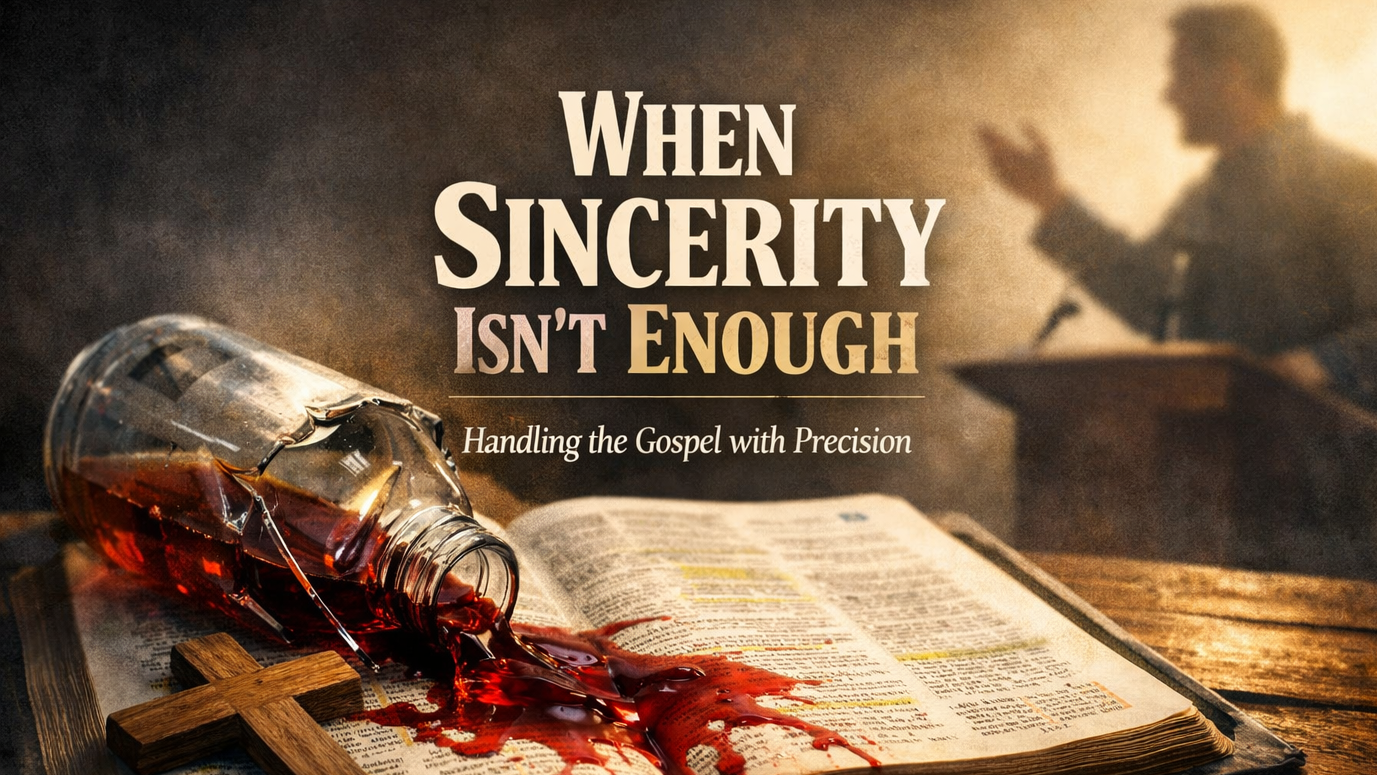
When Sincerity Isn’t Enough
You can be a sincere doctor and still harm a patient if you mishandle the medicine. The same is true in preaching. Grace must be handled with precision, because the human conscience is fragile and assurance must rest fully on Christ’s finished work.

Rest in Grace
Tired of trying to measure up spiritually? Rest in Grace explains what the finished work of Christ actually means and why your standing with God does not depend on your performance. Discover the freedom of living from righteousness already given.
Without Faith It Is Impossible to Please God
Hebrews 11:6 is often used to pressure believers into trying harder to believe. But the verse is not about intensity of faith. It is about location. Outside of faith in Christ, pleasing God was never possible. This verse draws a boundary, not a benchmark.
The Promises of God: What Scripture Actually Means
When Scripture speaks of “the promises of God,” it is not talking about money, healing, or improved circumstances. It is announcing something far deeper and already fulfilled - Christ Himself. When the promise is rightly understood, faith stops chasing outcomes and begins resting in what has already been given.
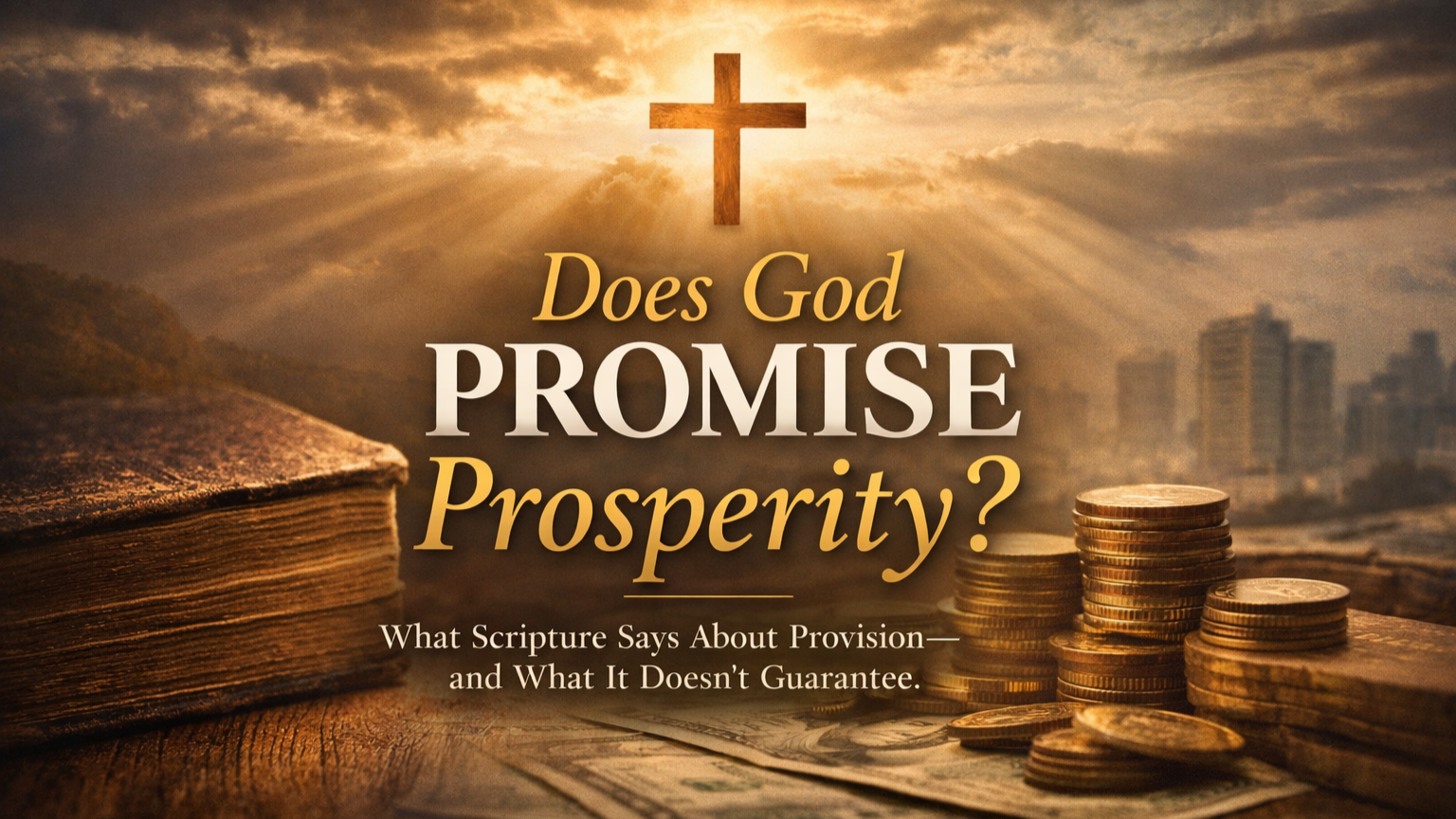
Does God Promise Prosperity?
Many believers are quietly tired when it comes to money. Tired of wondering why giving did not work. Tired of measuring faith by income. Does the Cross guarantee financial prosperity, or has something deeper already been secured? This article explores what Scripture promises about provision — and what it never guarantees.