

Articles
What the Cross Made Unnecessary
Revival tries to restore life. The cross secured it. This final article explains why resurrection leaves nothing to revive and what the New Covenant calls us to focus on instead.
What Revival Is Really Saying
Revival sounds hopeful, but words carry assumptions. When we define revival honestly, we discover it quietly implies loss, distance, and conditionality — ideas the cross does not allow.
Why Revival Sounds Right
“Revival” sounds bold, urgent, and spiritual. It promises that something big is about to happen. But before we ask for revival, we need to ask a more honest question: what do we believe is missing?

If Church Left You Tired
If church left you tired, guarded, or unsure what you believe anymore, you’re not alone in that. This is a gentle place to pause, breathe, and explore faith without pressure or expectation.
Binding and Loosing After the Cross
Binding and loosing appears only in Matthew and disappears after the Cross. That silence matters. Jesus was not teaching spiritual warfare but announcing what heaven has already settled.
The Verse That Never Leaves the Old Covenant
2 Chronicles 7:14 is often quoted when things go wrong, but it was never written for believers living after the Cross. Understanding covenant timing changes everything.
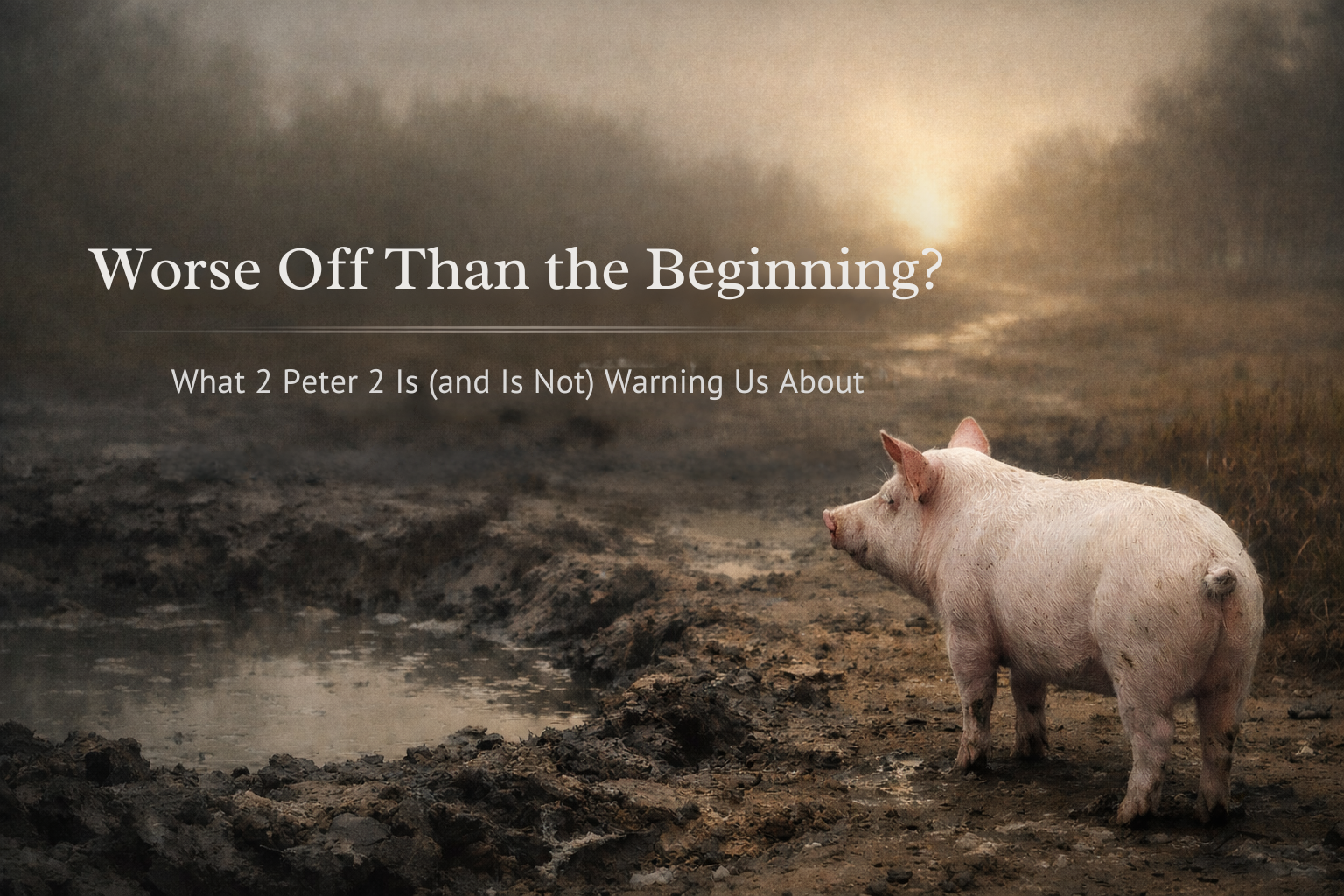
Worse Off Than the Beginning?
What does it mean to be “worse off at the end than the beginning”?
2 Peter 2 is often used to instill fear about losing salvation. But when read in context, Peter is not threatening believers — he is exposing false teachers who knew the truth and rejected it. This passage doesn’t unsettle grace. It protects it.

The Parable of the Talents Was Never About Your Gifts
The Parable of the Talents has often been read as a lesson on gifts, effort, or productivity. But in Matthew 25, Jesus is asking a deeper question—what happens when Christ Himself is entrusted to us? Read in context, the parable isn’t about ability, but belief.

Grace Is the Verdict – The Final Authority of the Finished Work
Grace is not the beginning of Christianity—it is the conclusion. This final article declares grace as the verdict of Christ’s finished work and the believer’s ultimate authority.
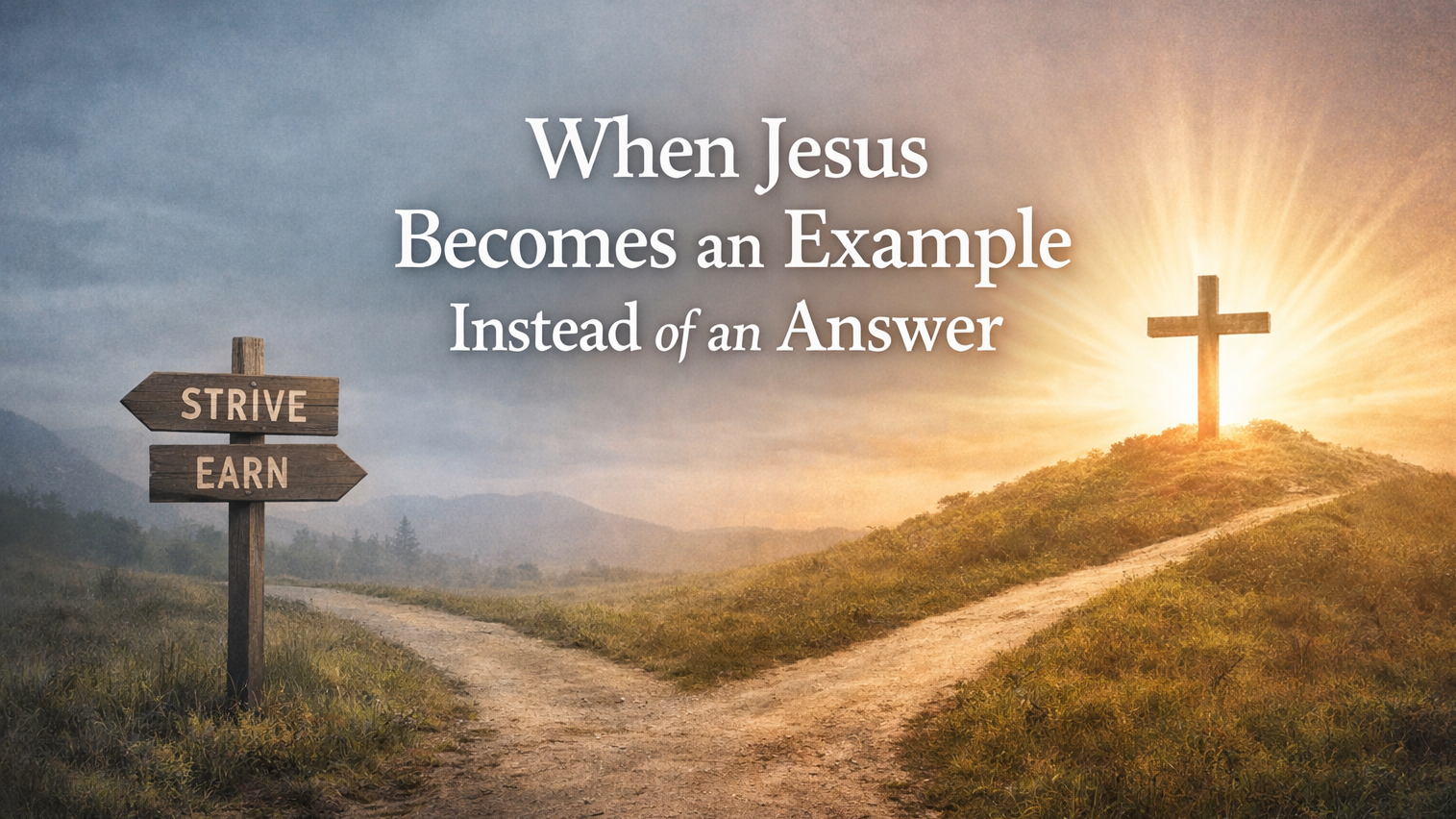
When Jesus Becomes an Example Instead of an Answer
What happens when Jesus is treated more like a model to copy than a finished work to rest in? This article exposes how spiritual language can quietly reintroduce striving after the Cross.

Does Grace Lead to Sin? Or Does It End Sin’s Power?
Grace is often accused of enabling sin—but Scripture says the opposite. This article shows why law empowers sin, why fear never produces freedom, and how grace actually ends sin’s authority.

Why Religion Resists Grace
Grace is not resisted because it is unclear—it is resisted because it removes leverage. This article explains why grace threatens religious systems built on control, fear, and performance.

You Were Never Meant to Live in the Wilderness
The wilderness is often used to explain seasons of waiting, hardship, or uncertainty. But in Scripture, the wilderness was never meant to describe the settled life of believers. It belonged to a story that was unfinished. This article explores how Jesus fulfilled Israel’s wilderness experience and how the gospel reframes what it means to live, wait, and rest today.

Abraham’s Bosom Was Never About Geography
When Jesus mentioned Abraham’s bosom, He wasn’t mapping the afterlife. He was confronting unbelief, redefining inheritance, and quietly pointing to His own resurrection.

Before and After the Cross – Why Timing Changes Everything
Much of the confusion about grace comes from reading the Bible without respecting its timeline. This article explains why timing matters—and how the Cross changes everything.
Does “Seek First” Guarantee Provision?
Matthew 6:33 is often taught as a guarantee of provision. But when we read it carefully - and through the lens of the New Covenant - a different, freer meaning begins to emerge.
Abiding in the Truth
Abiding isn’t about trying harder or staying close enough to God. In John 8, Jesus reveals abiding as remaining in truth — resting in who He says you already are. This article explores what abiding really means, and why it’s rooted in identity, not effort.

Grace With Additives – How the Gospel Gets Quietly Rewritten
Grace is rarely rejected outright—it is more often edited. This article exposes how subtle additions quietly turn good news into a contract, and why grace loses its power the moment something is added to it.
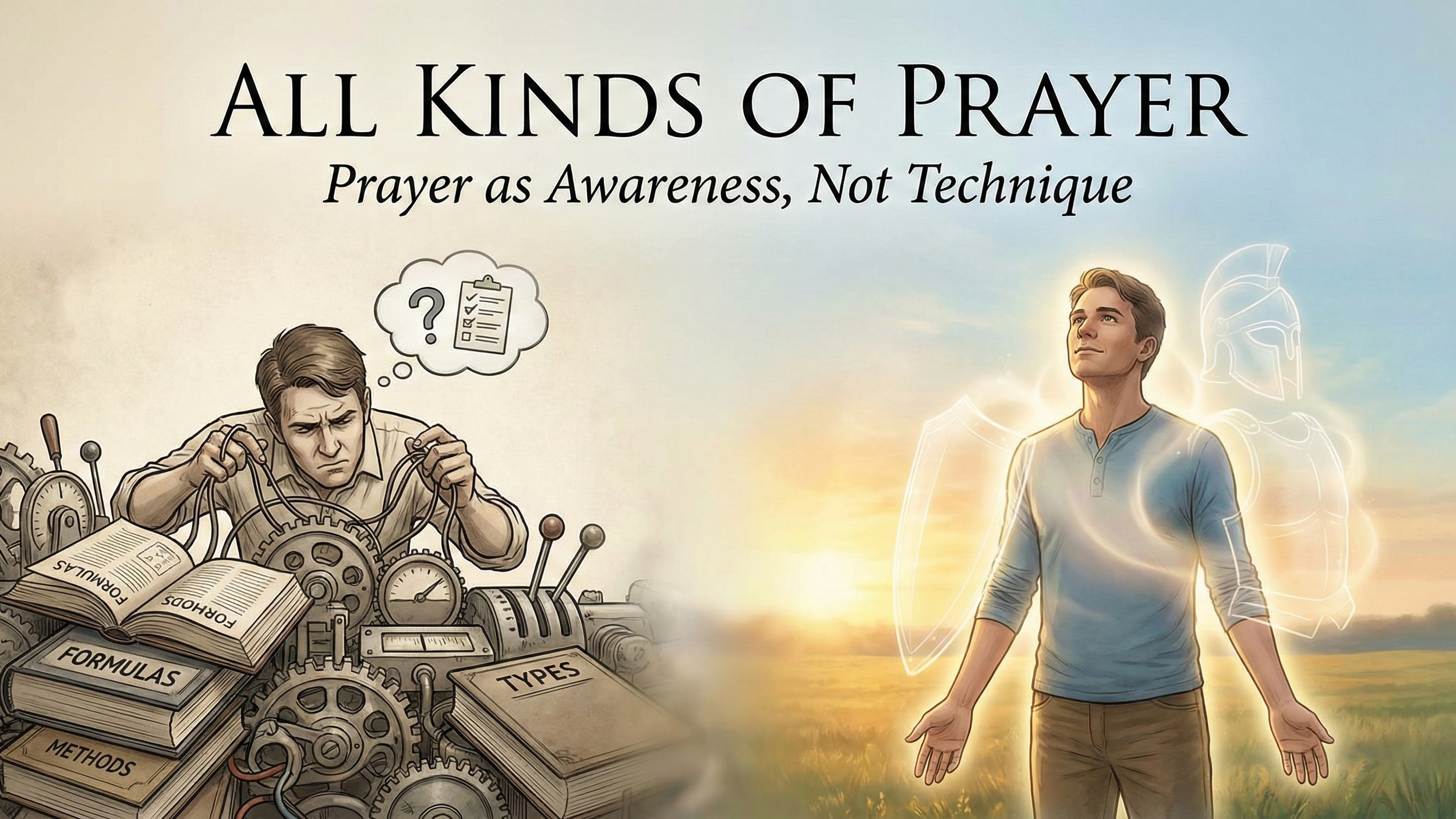
All Kinds of Prayer
Ephesians 6:18 is often used to teach that prayer only works when the right method is applied. But Paul isn’t outlining prayer techniques—he’s describing a life lived in awareness of God’s presence. Prayer is not a system to master; it’s the atmosphere of life in Christ.

Why Grace Offends Effort
Grace feels unsettling because it removes our ability to contribute. This article explores why effort feels safer than rest—and why grace exposes what effort was never meant to carry.
Want more grace-filled encouragement delivered to your inbox?
Weekly hope filled notes - no spam, no pressure, just Jesus.