
Articles
Short, honest reads that put the cross back at the center of the verse.
Every Verse Through the Finished Work
What Did the Text Actually Say?
Each article takes a verse or idea you’ve probably heard misused, and reads it through the New Covenant. No shame. No striving. Just what the text actually says when the cross stays at the center.
Loading the latest…
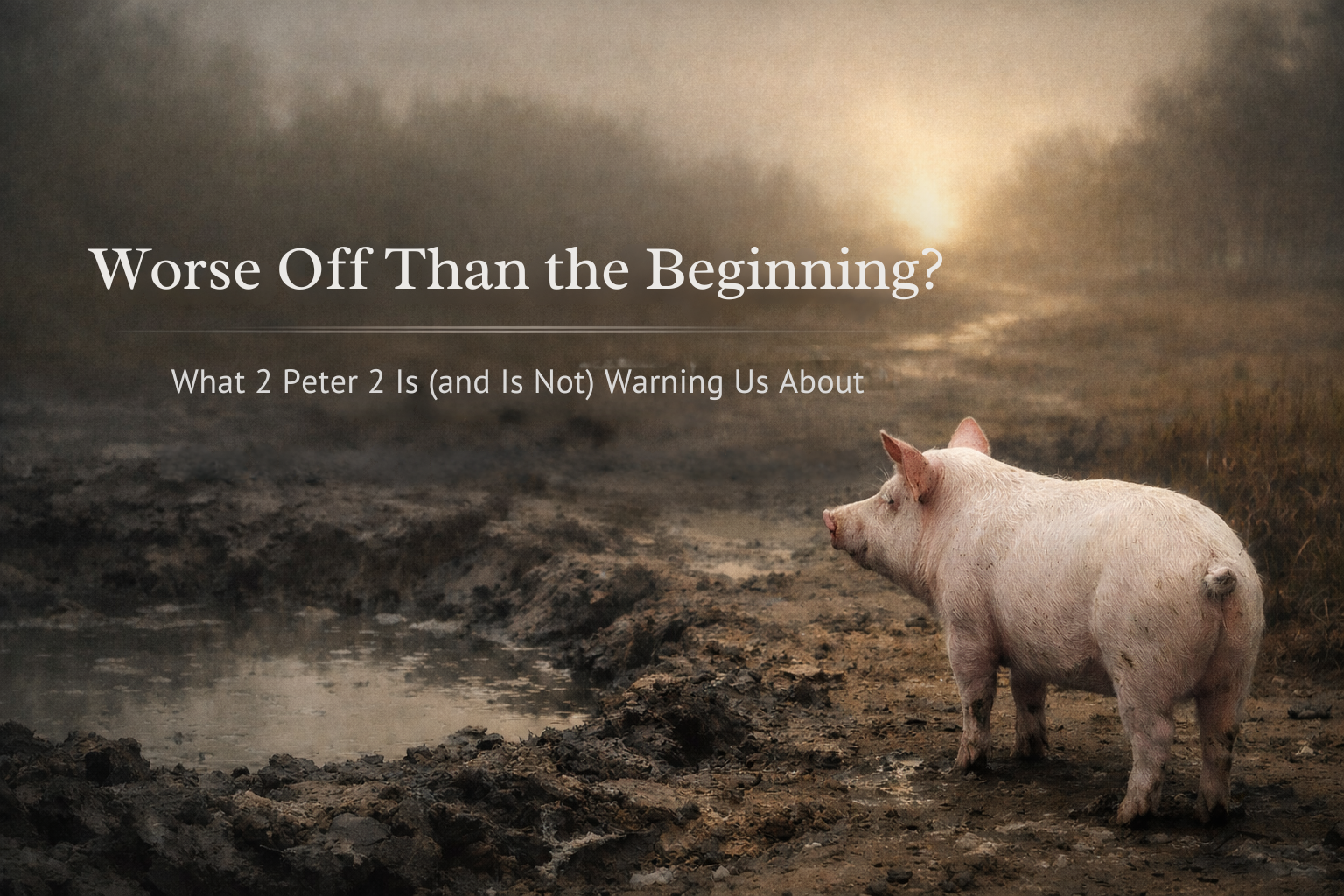
Worse Off Than the Beginning?
What does it mean to be “worse off at the end than the beginning”? 2 Peter 2 is often used to instill fear about losing salvation. But when read in context, Peter is not threatening believers. He is exposing false teachers who knew the truth and rejected it. This passage doesn’t unsettle grace. It protects it.
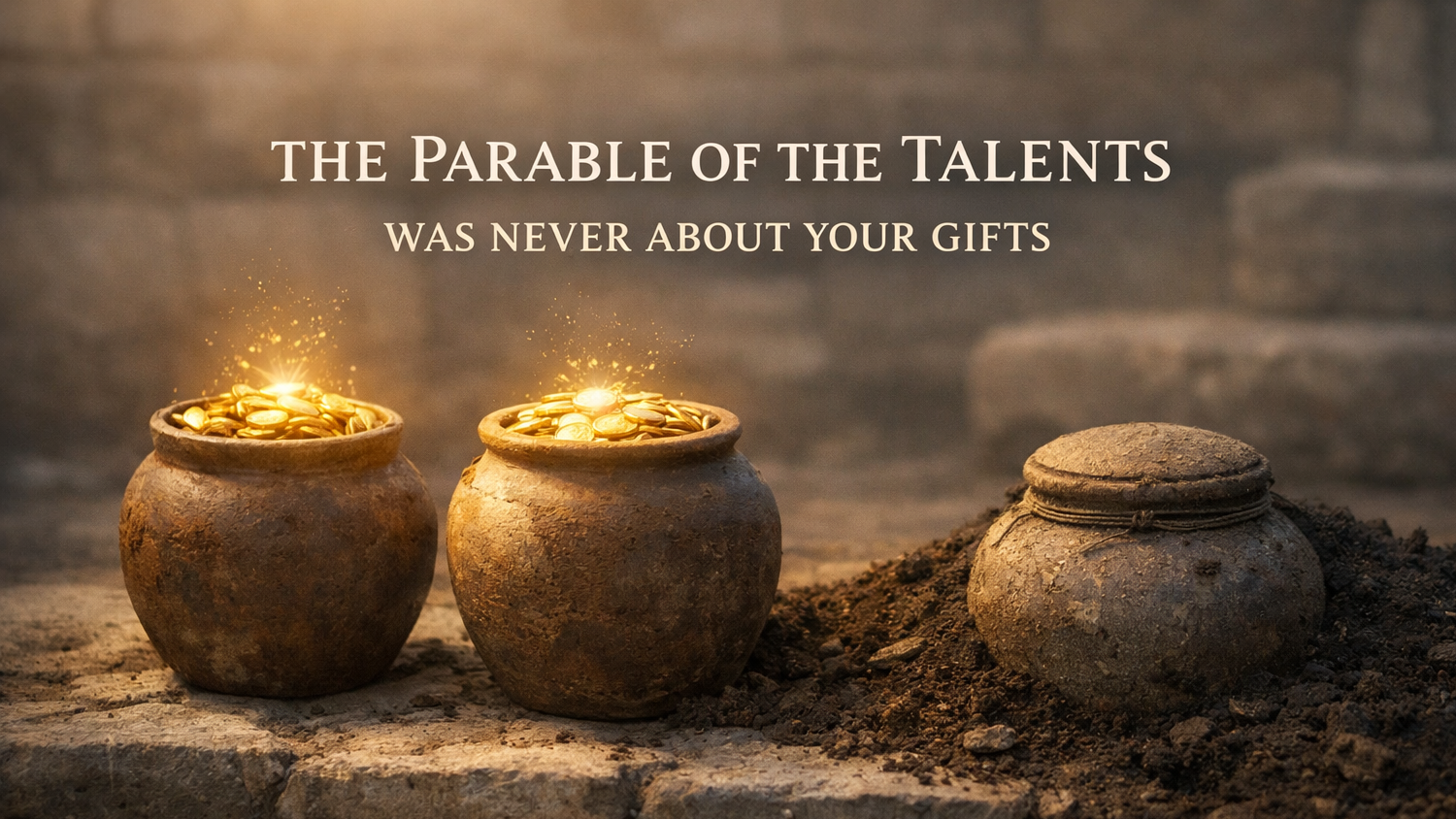
The Parable of the Talents Was Never About Your Gifts
The Parable of the Talents has often been read as a lesson on gifts, effort, or productivity. But in Matthew 25, Jesus is asking a deeper question. What happens when Christ Himself is entrusted to us? Read in context, the parable isn’t about ability, but belief.
Grace Is the Verdict
You wake up and your standing with God feels tied to the last twenty-four hours. But grace was never the starting line you have to maintain; it's the verdict Christ already rendered.
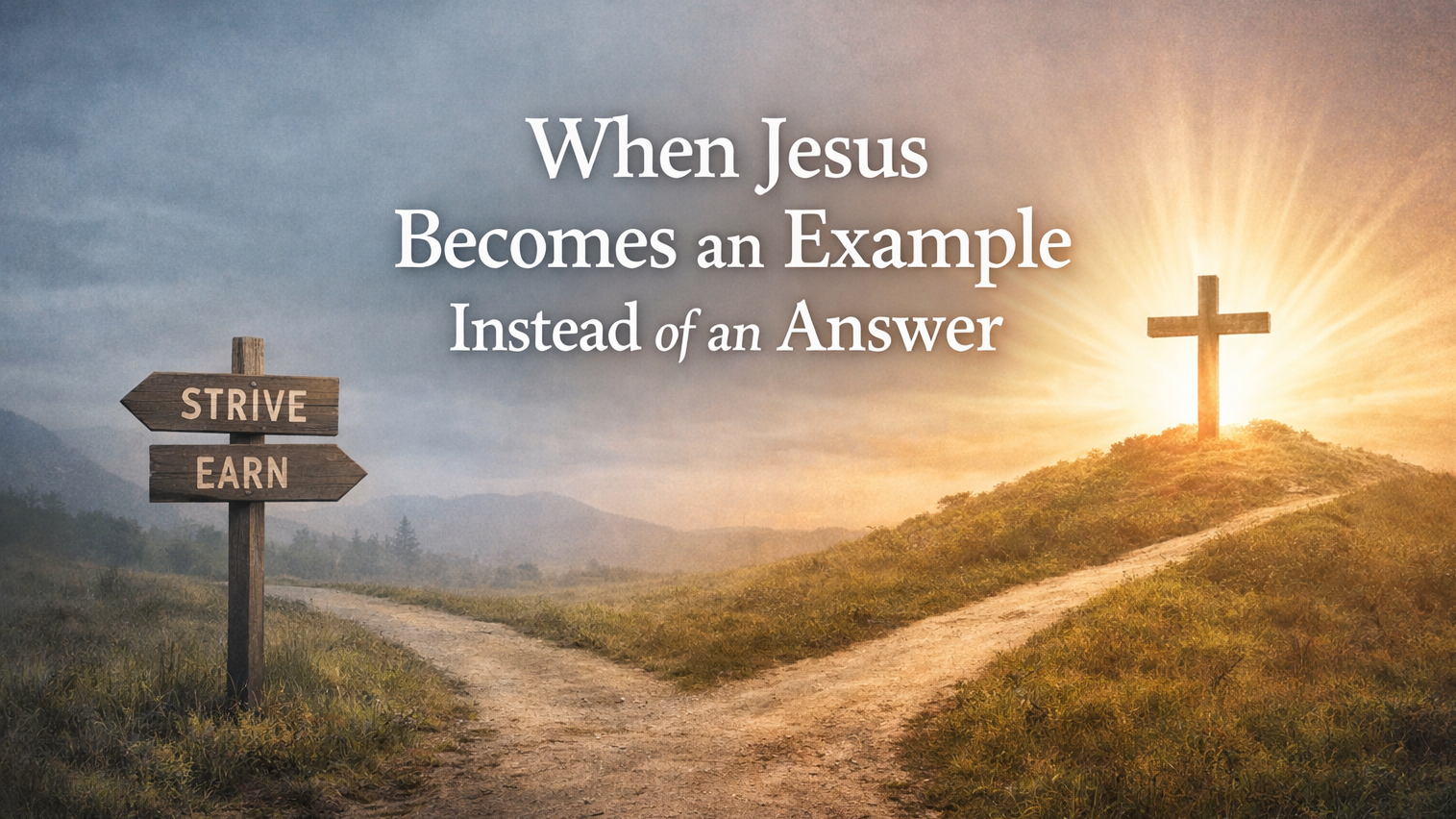
When Jesus Becomes an Example Instead of an Answer
You have prayed more, slowed down, and built the rhythms everyone recommends, yet closeness with God still feels earned. What if Jesus was handed to you as a model to copy instead of received as your rest?
Does Grace Lead to Sin? Or Does It End Sin’s Power?
Grace is often accused of enabling sin—but Scripture says the opposite. This article shows why law empowers sin, why fear never produces freedom, and how grace actually ends sin’s authority.
Why Religion Resists Grace
Grace is not resisted because it is unclear—it is resisted because it removes leverage. This article explains why grace threatens religious systems built on control, fear, and performance.

You Were Never Meant to Live in the Wilderness
The wilderness is often used to explain seasons of waiting, hardship, or uncertainty. But in Scripture, the wilderness was never meant to describe the settled life of believers. It belonged to a story that was unfinished. This article explores how Jesus fulfilled Israel’s wilderness experience and how the gospel reframes what it means to live, wait, and rest today.
Abraham’s Bosom Was Never About Geography
When Jesus mentioned Abraham’s bosom, He wasn’t mapping the afterlife. He was confronting unbelief, redefining inheritance, and quietly pointing to His own resurrection.
Before and After the Cross
One week Scripture says there's nothing left to prove, and the next it says be perfect. That whiplash isn't rebellion or weak faith; it's a matter of timing the Cross already settled.
Does “Seek First” Guarantee Provision?
Matthew 6:33 is often taught as a guarantee of provision. But when we read it carefully - and through the lens of the New Covenant - a different, freer meaning begins to emerge.
Abiding in the Truth
Abiding isn’t about trying harder or staying close enough to God. In John 8, Jesus reveals abiding as remaining in truth — resting in who He says you already are. This article explores what abiding really means, and why it’s rooted in identity, not effort.
Grace With Additives – How the Gospel Gets Quietly Rewritten
Grace is rarely rejected outright—it is more often edited. This article exposes how subtle additions quietly turn good news into a contract, and why grace loses its power the moment something is added to it.
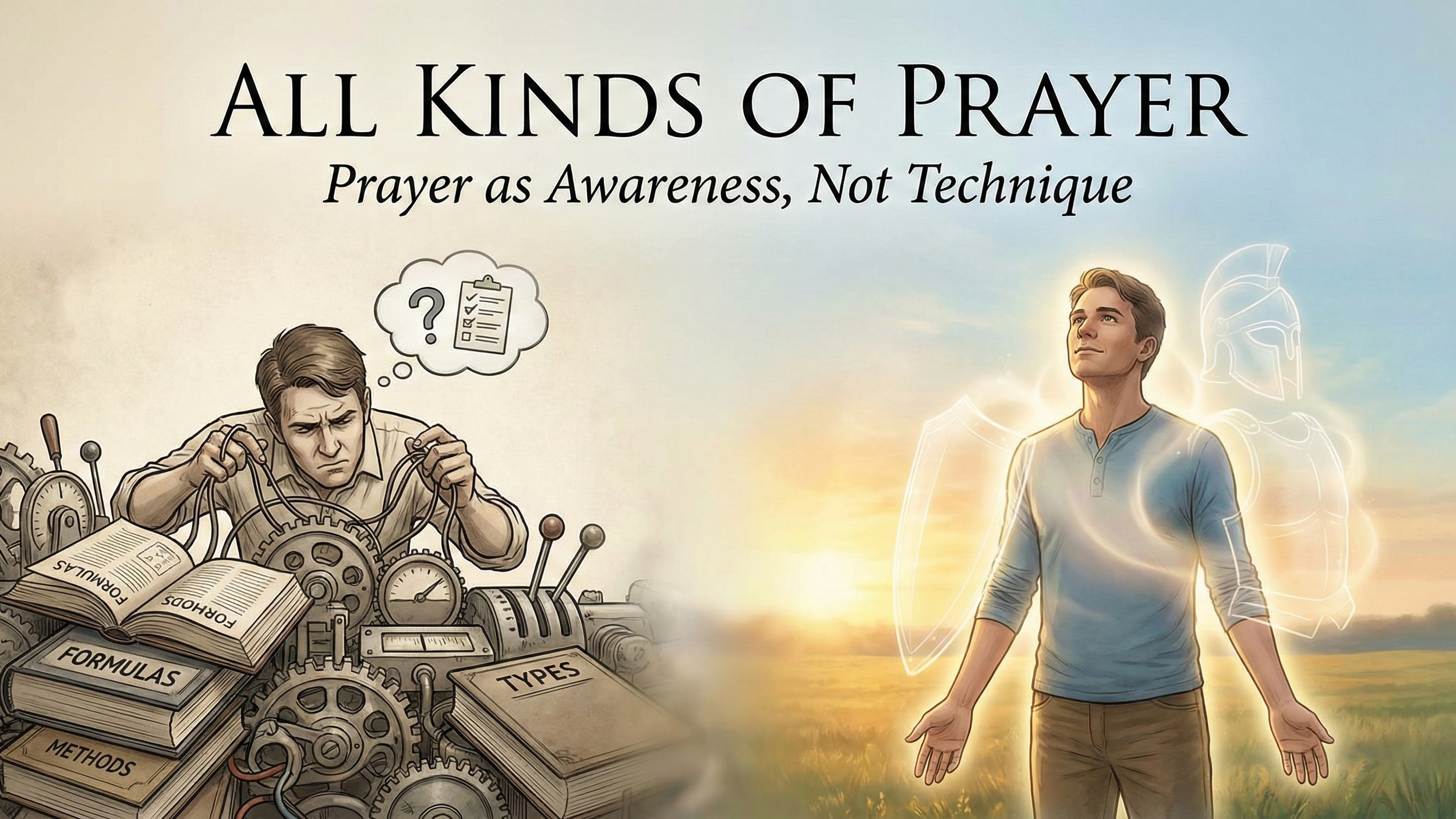
All Kinds of Prayer
Ephesians 6:18 is often used to teach that prayer only works when the right method is applied. But Paul isn’t outlining prayer techniques—he’s describing a life lived in awareness of God’s presence. Prayer is not a system to master; it’s the atmosphere of life in Christ.
Why Grace Offends Effort
Grace feels unsettling because it removes our ability to contribute. This article explores why effort feels safer than rest—and why grace exposes what effort was never meant to carry.
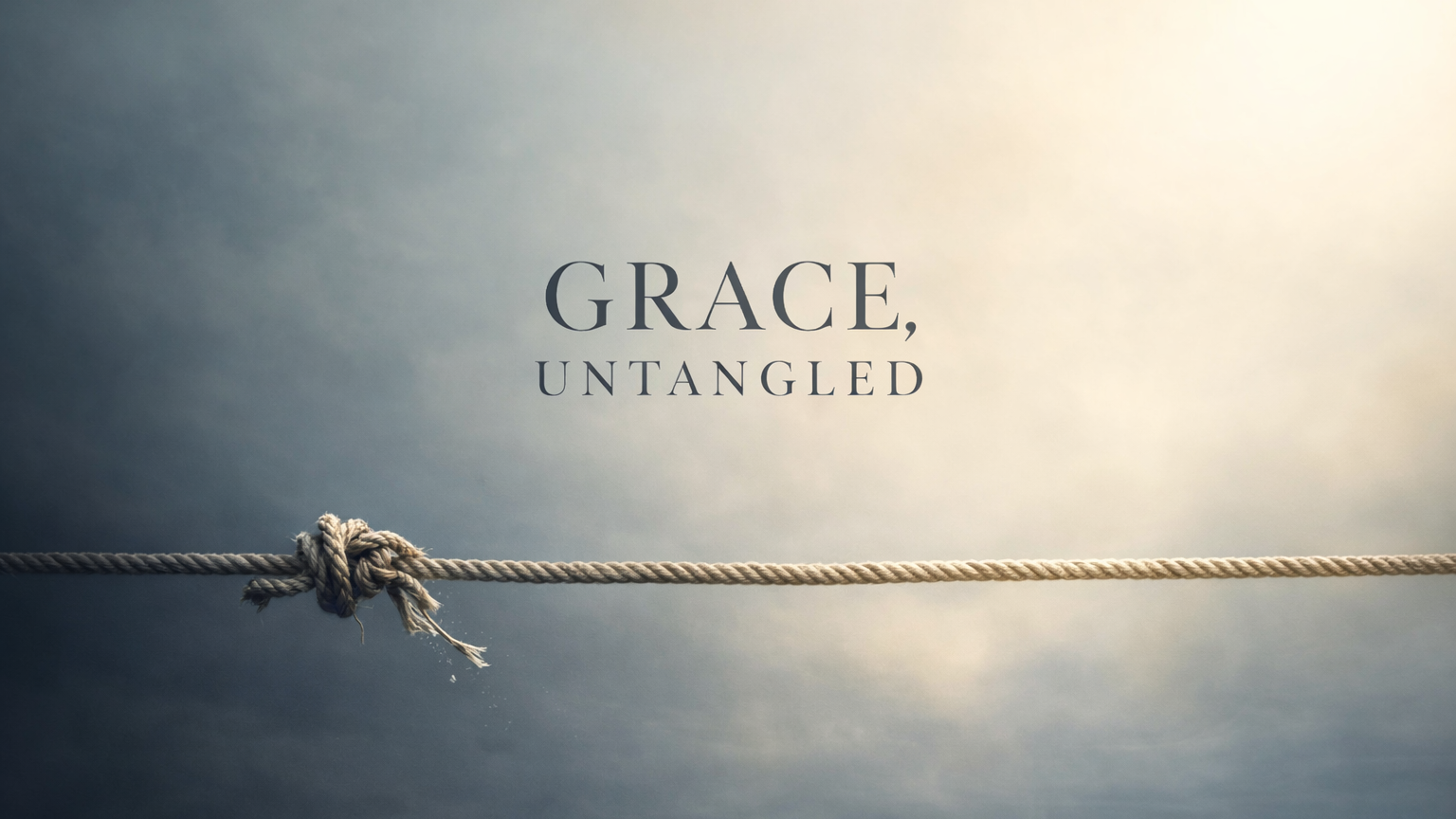
Grace, Untangled – What Grace Is (And What It Is Not)
Grace is one of the most familiar words in Christianity—and one of the most misunderstood. Before grace can free us, it must be untangled from everything it is not.

This Year Begins With Good News
The new year usually starts with pressure — goals to set, habits to fix, versions of ourselves we promise to become. But the gospel doesn’t begin with instruction. It begins with an announcement. Before effort, before improvement, before anything else gets loud, grace speaks first. This year doesn’t start with what you need to do. It starts with good news.
Chapter 8 – The Gospel Is Better Than You Have Been Told
The gospel was never meant to burden you. It was meant to free you. This final chapter returns to the heart of the Christian faith — not as advice to follow, but as an announcement of what God has already finished in Christ.
Chapter 7 - You Are Called to Reveal Christ, Not Reinvent Christianity
The American church often tries to reinvent Christianity to stay relevant. Paul reminds us that our calling is not reinvention, but revelation. Christ doesn’t need updating—He needs to be revealed through a people who rest in His finished work.
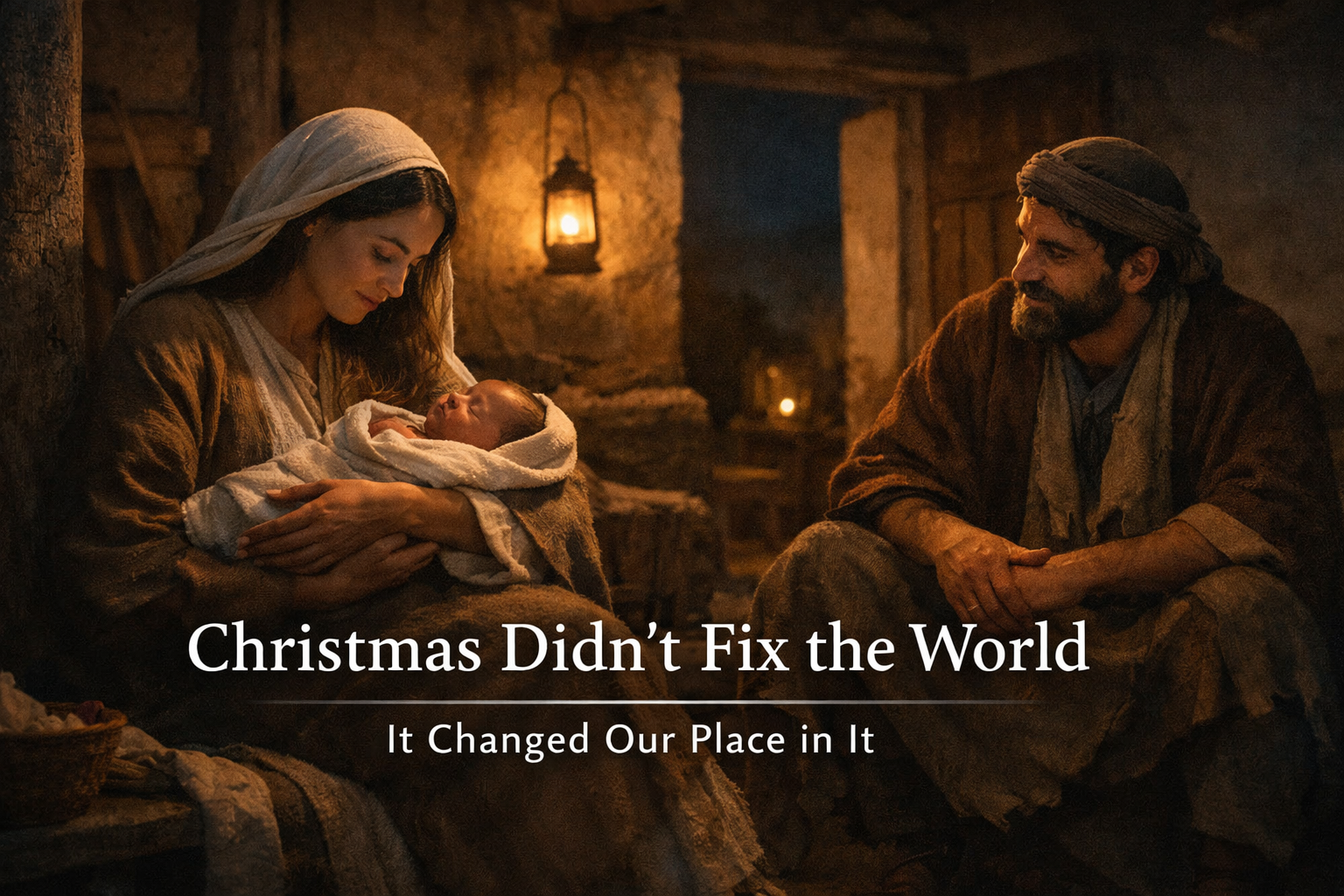
Christmas Didn’t Fix the World - It Changed Our Place in It
Christmas wasn’t God fixing the world - it was God entering it. This article explores why the incarnation changes our place in the story, even when life still hurts.
Chapter 6 - You Are Misreading Your Suffering
Many believers misinterpret suffering as punishment, testing, or distance from God. In this chapter, Paul writes a grace-filled correction: suffering does not define you—Christ does.